
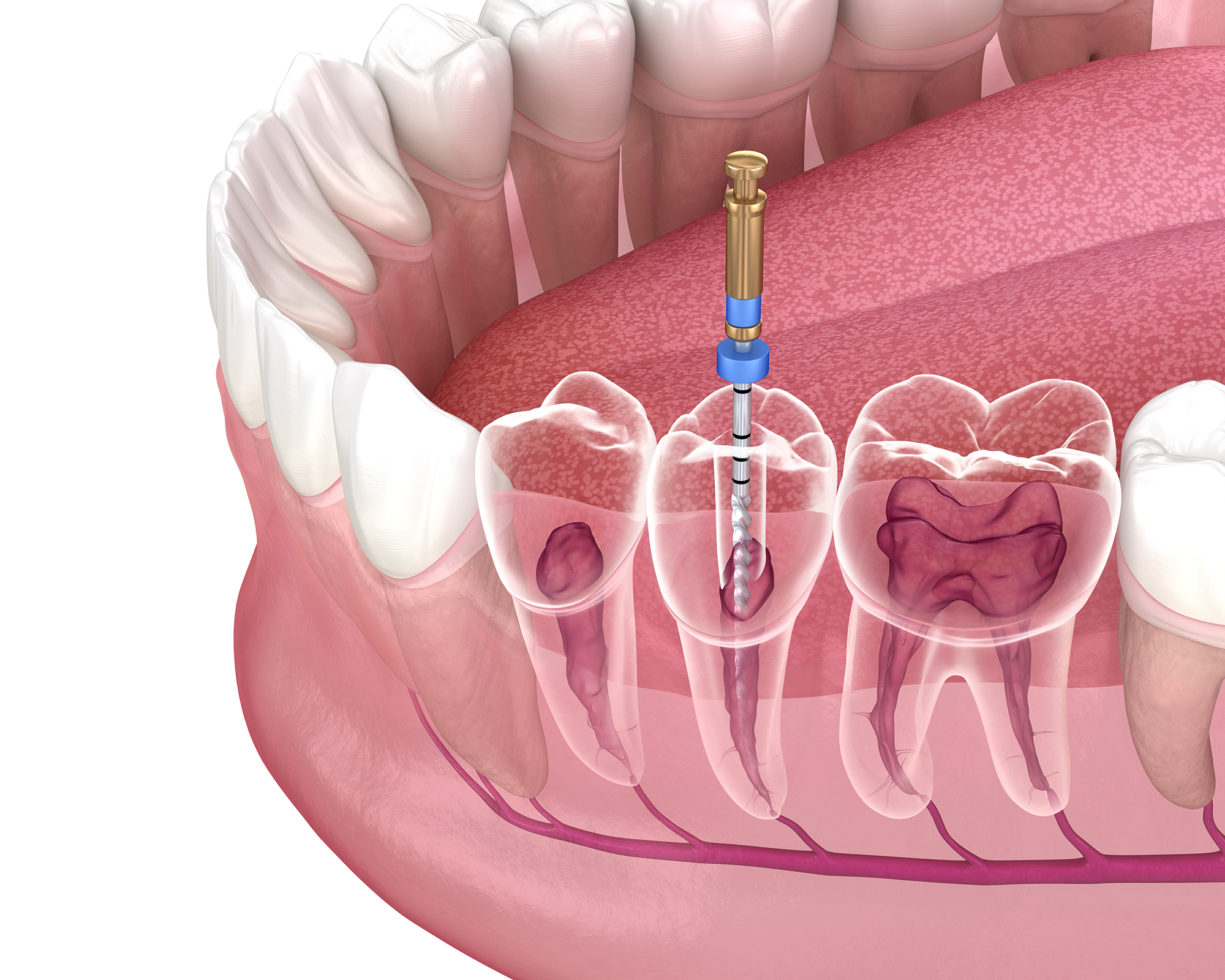
 The mere thought of a root canal can leave you brooding over pain and cost, but how many people know about Root Canal Therapy? The dental treatment is utilized to remove nerves or plaque from the tooth pulp, which is also useful in protecting the tooth from further future infections. Despite the perception that it’s a painful procedure, it’s a pain-relieving therapy.
How is root canal therapy performed?
Root canal therapy is performed through four steps. After the dentist sits you comfortably in a chair and ties a bib around your neck to save your clothes from stains, they go on to administer the following:
Anesthetic
Numbing medication is applied to the gum where the affected tooth is. When it takes effect, an anesthetic is then injected into your gum. You may feel a burning sensation, but that’ll quickly pass. You’ll not feel any pain due to the anesthetic, but you’ll remain awake during the entire procedure.
Taking out the pulp
An opening will be created at the top of your tooth by the dentist to expose the damaged or infected pulp, before carefully removing it using a unique set of tools. The dentist will take particular care to clean all the canals in the tooth.
Applying antibiotic
After removing the pulp, your dentist may apply an antibiotic over the entire area to remove any existing or potential infection. The tooth is then sealed using gutta-percha which the dentist may prescribe.
Temporary filling
The dentist will complete the procedure by filling the little opening in the tooth’s top point with a delicate, momentary material. This sealant keeps the canals from being harmed by saliva.
Benefits
Root canal treatment is very beneficial to halting the spread of infection in your teeth. This treatment is useful, so you don’t have to worry about widening the gap between your teeth or losing them altogether. It’s considered a tooth-preservation therapy effective for keeping your jawbone intact and enhancing your overall oral health. Individuals experiencing poor oral health are vulnerable to other health complications like diabetes, respiratory infections, heart diseases, etc.
When would you need root canal therapy?
Root canal therapy is done when the tooth’s delicate internal part, known as the pulp, becomes inflamed, infected, or injured. The tooth crown (the part visibly above the gum) can stay intact regardless of whether the pulp is dead. Having your infected or damaged pulp removed is ideal for protecting the tooth structure.
Common causes of pulp damage include:
- Numerous dental treatments on the same tooth
- Untreated cavity leading to profound decay
- Injury to the tooth; for example, taking a hit to the mouth. Although the tooth won’t crack yet, the pulp may be damaged
- A broken or chipped tooth
The most well-known symptoms of the impaired pulp include swelling, heat sensation in the gum, and tooth pain.
If you’re located in California cities like Auburn and require any dental treatment like root canal therapy, reach out to North Auburn Dentistry for help with all your dental needs.